

Let’s be honest — in a world where our phones are practically glued to our palms and many of us spend eight-plus hours a day glued to a laptop, the promise of a quick fix for eye strain feels irresistible.
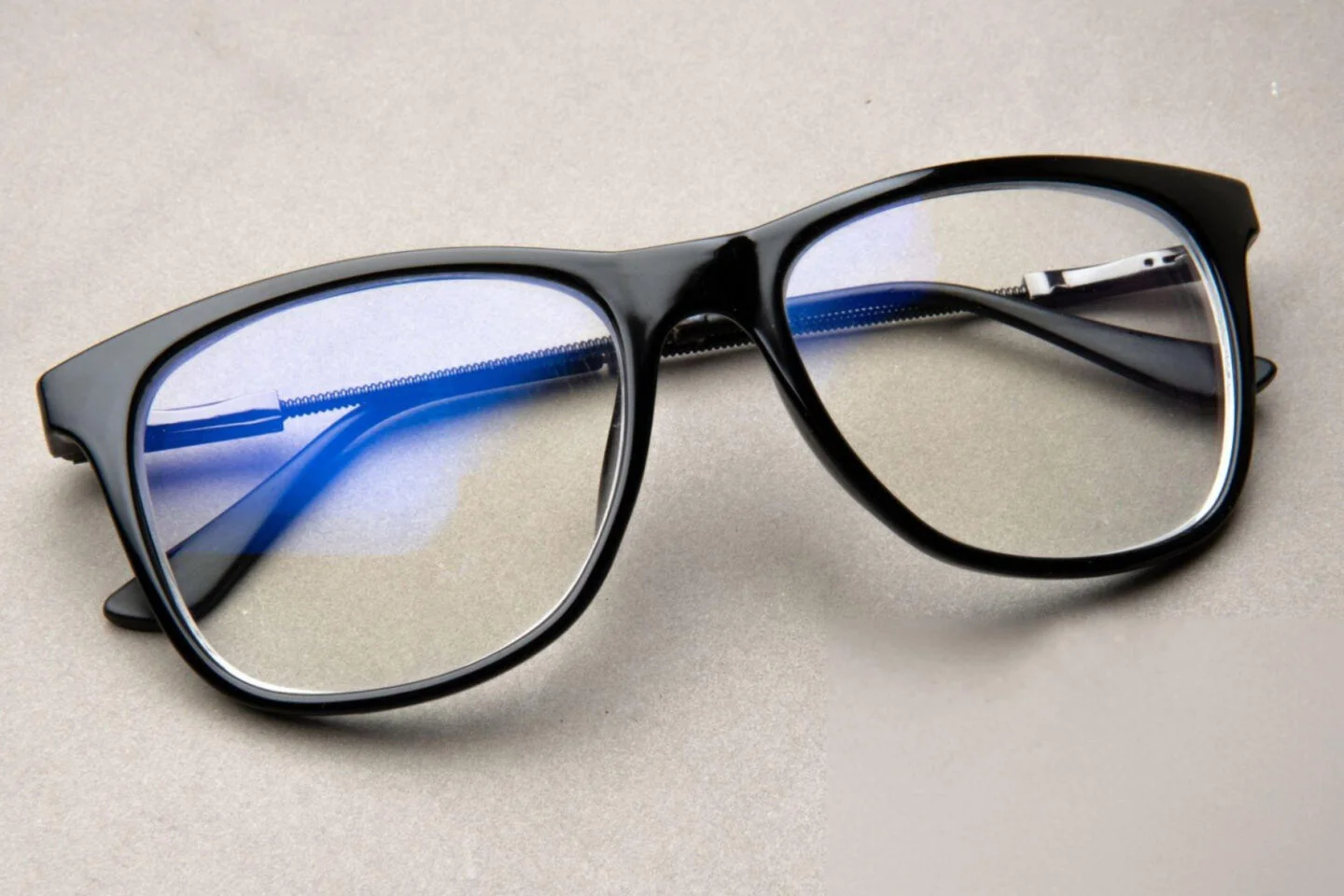
Enter: blue light glasses — marketed as a shield for our eyes against the glow of digital screens. They’re everywhere now, promising less strain, better focus, and maybe even improved sleep.
But… do they actually work?
I was skeptical. My eyes often felt achy by late afternoon, and my sleep was far from stellar. So, I decided to run my own 10-day blue light glasses challenge — from workdays packed with coding and Zoom calls to late-night Netflix binges.
Here’s what happened.
📅 Days 1–3: The New Kid on the Block
The first thing I noticed? The faint yellow tint. Not distracting, but it made the world look just a bit warmer. I was hyper-aware of wearing them at first — like when you get a fresh haircut and keep catching your reflection.
Was my eye strain already easing up? Maybe… or maybe it was just the placebo effect.
The science is mixed. Some studies show little to no difference in eye strain. The American Academy of Ophthalmology doesn’t officially recommend them, arguing that most strain comes from how we use screens (like blinking less), not blue light itself.
Still, I pushed on. By the end of the third day — after a marathon of emails, coding, and scrolling — I realized something: I’d skipped my usual end-of-day headache. Interesting.
📅 Days 4–7: Finding My Rhythm
By midweek, the glasses didn’t feel like an experiment anymore — they just became part of my face.
Editing photos, which usually fatigues my eyes, felt less intense. The glare from my monitor seemed softer, and I could work longer without that burning sensation.
The real surprise? My nights. Normally, an hour of Netflix before bed leaves me wired. But with the glasses, I noticed I was winding down faster. Not passing out instantly, but not tossing and turning either.
That lines up with research suggesting blue light glasses may help with sleep — especially for late-night screen users.
📅 Days 8–10: The Verdict
By the final stretch, I was hooked. The glasses became a non-negotiable part of my screen time.
✅ Eye strain: noticeably reduced
✅ Headaches: almost gone
✅ Sleep: easier to drift off, more rested mornings
They weren’t a magic fix — I still followed the 20-20-20 rule (every 20 minutes, look at something 20 feet away for 20 seconds), kept my screen brightness in check, and took breaks. But the glasses felt like a solid extra layer of defense.
🎯 So… Do They Really Work?
For me? Yes.
They softened screen glare, reduced strain, and helped signal my brain it was time to wind down at night. Will they work for everyone? Maybe not — the science isn’t unanimous, and they’re no substitute for healthy screen habits.
But if you spend hours in front of screens and deal with tired eyes or restless nights, they might be worth a shot.
Worst case? You’ve got a new accessory.
Best case? Your eyes — and your sleep — will thank you.