
For decades, the corporate world worshipped at the altar of IQ. We believed that raw processing power, logical reasoning, and the ability to retain vast amounts of static information were the ultimate predictors of professional success.
But as we settle into 2026, that metric feels dangerously outdated.
In a landscape where Artificial Intelligence can score in the 99th percentile of the Bar Exam and write code faster than a senior developer, “knowing things” is no longer a competitive advantage. The value has shifted from retention to reinvention.
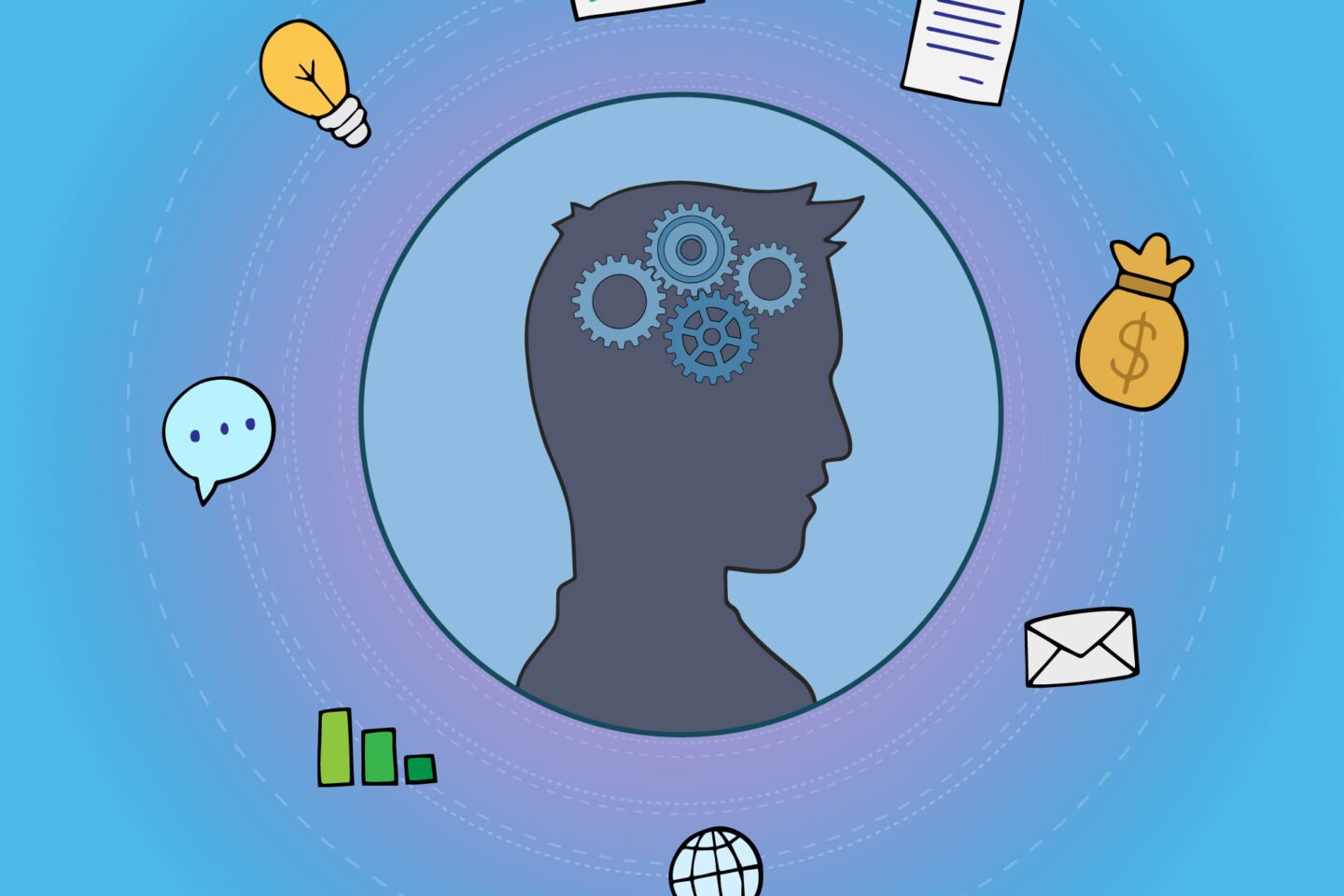
Welcome to the era of the Adaptability Quotient (AQ). In the high-velocity ecosystems of startups and technology, adaptability isn’t just a soft skill—it is the new operating system for your career.
The Great Reset: Why 2026 is Different
To understand why this shift is happening now, we have to look at the “Half-Life of Knowledge.”
In 2010, an engineering degree might have served you well for a decade. Today, industry analysts estimate the half-life of a learned technical skill is roughly 18 months. The tools, frameworks, and methodologies you mastered in 2024 are likely already being sunsetted.
This creates a crisis for the rigid specialist. If your entire professional identity is tied to being the “Master of [Specific Tool],” you are one software update away from obsolescence.
The Agency Perspective: At premium consultancies and agencies, we no longer hire based on what you know. We hire based on how fast you can learn what you don’t know. We are looking for the “un-learners.”
AQ > IQ: The New Equation for Success
Intelligence Quotient (IQ) measures how well you can solve known problems with known rules. Adaptability Quotient (AQ) measures how well you can solve unknown problems with changing rules.
In the startup world, the rules change daily.
1. The Cognitive Pivot
High-IQ individuals often struggle when their logic models break. When a market shifts unexpectedly, they try to force the old data to fit the new reality. High-AQ individuals, however, thrive in this chaos. They possess “cognitive flexibility”—the mental agility to discard a cherished strategy the moment the data suggests it’s no longer viable.
2. Resilience as a Hard Skill
We used to treat resilience as a personality trait. In 2026, it is a professional necessity. The successful “Guest Posts” and “Success Stories” we see on LinkedIn aren’t about people who had a smooth ride. They are about professionals who faced a tech disruption, a layoff, or a failed pivot, and used it as a stepping stone rather than a tombstone.
The Startup Mandate: “Hire for the Pivot”
If you walk into a Series B startup today, you will notice a distinct change in the hiring manual. Founders are wary of the “perfect resume” that shows a linear, predictable path.
Why? Because linear paths don’t exist in exponential markets.
Startups are looking for Generalist-Specialists—people who have deep expertise in one area but the adaptability to cover three others when the fire alarm rings.
-
The Marketer who learns basic SQL to stop bugging the data team.
-
The Developer who learns UI principles to prototype faster.
-
The Sales Leader who learns AI prompting to automate their outreach.
These are the employees who survive layoffs. When a company pivots from B2C to B2B, the rigid specialist is often let go. The adaptable employee is simply re-deployed.
Technology: The Enabler, Not the Enemy
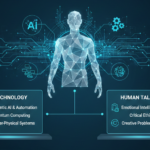
There is a pervasive fear that technology is replacing human intelligence. This is a misunderstanding of the dynamic.
Technology handles the predictable. Humans handle the exceptional.
In 2026, AI agents handle the rote tasks—scheduling, basic coding, data entry, initial research. This clears the stage for humans to engage in high-level strategic thinking. But this requires adaptability. You must be willing to let go of the “busy work” that used to fill your day and step into the uncomfortable role of the decision-maker.
Thought Leadership Insight: The most dangerous phrase in business today is, “But that’s how I’ve always done it.” That phrase is the death knell of a career in the 2020s.
How to Raise Your AQ (Actionable Steps)
So, if IQ is fixed but AQ is fluid, how do you improve it?
1. Practice “Deliberate Discomfort” Once a quarter, force yourself to use a tool or methodology that scares you. If you are a writer, try building a simple website. If you are a coder, write a long-form article. Cross-training forces your brain to build new neural pathways, increasing your plasticity.
2. Audit Your “Unlearning” Keep a “Learning Journal,” but add a column for “Unlearning.” What belief did you hold last year that you have discarded? If that column is empty, you are stagnating.
3. Seek Diverse Inputs Echo chambers kill adaptability. If you only read news from your specific industry, you will be blindsided by disruptions coming from the outside. Read broadly. The best innovations often come from applying a concept from Biology to Engineering, or from Architecture to Coding.
Conclusion: The Survival of the Most Fluid
Charles Darwin is often misquoted as saying “survival of the fittest.” What he actually alluded to was that it is not the strongest of the species that survives, nor the most intelligent. It is the one that is most adaptable to change.
In 2026, this biological truth has become an economic reality.
Your IQ got you in the door. It got you the degree and the early promotions. But as we look toward the latter half of the decade, your IQ is merely the engine. Your Adaptability Quotient is the steering wheel.
Don’t polish your trophies. Sharpen your instincts. The future doesn’t belong to the smartest person in the room—it belongs to the one who is ready to become a novice all over again.