
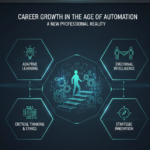
The ink on a computer science degree barely dries before the curriculum feels outdated. In the high-velocity world of startups and technology, the only constant isn’t just change—it’s the acceleration of change.
For professionals, entrepreneurs, and tech leaders, the narrative has shifted. We are no longer discussing “soft skills” versus “hard skills.” We are discussing survival skills.
As we analyze the trajectory of successful startups and the featured stories of industry leaders, one pattern emerges: the ability to unlearn and relearn is the single greatest competitive advantage of the decade.
The Shrinking Half-Life of a Professional Skill
Remember when knowing a specific coding language guaranteed a decade of job security? Those days are archived.
Recent industry news highlights a sobering statistic: the half-life of a learned professional skill is now estimated to be just five years—and in software development, it’s often less than two. The tools you mastered in 2023 may be legacy tech by 2026.
This isn’t a cause for alarm; it’s a call for agility. The “T-shaped” employee (deep expertise in one area, broad knowledge in others) is evolving into the “M-shaped” professional: multiple depths of expertise acquired over a lifetime of continuous pivoting.
Startups: The Crucibles of Adaptability
Why do some startups thrive while well-funded competitors stall? It rarely comes down to the product alone. It comes down to the team’s cognitive flexibility.
In the startup ecosystem, rigid job descriptions are a liability. A CTO might need to understand UI/UX psychology today and data privacy law tomorrow.
-
The Shift: We are moving from “hiring for the role” to “hiring for the trajectory.”
-
The Demand: Founders are looking for Polymaths—individuals who can synthesize disparate pieces of information (Tech + Marketing, or Data + Ethics) to solve novel problems.
Agency Insight: True thought leadership isn’t about knowing all the answers. It’s about asking the right questions when the landscape changes.
Technology as the Catalyst, Not the Replacement
The fear that “AI will take our jobs” is slowly being replaced by a more nuanced reality: AI will replace professionals who refuse to use AI.
Featured success stories in 2025 and 2026 aren’t about humans defeating machines. They are about humans orchestrating machines.
-
Junior Developers are evolving into Code Reviewers and Architects.
-
Content Writers are evolving into Content Strategists and Editors.
-
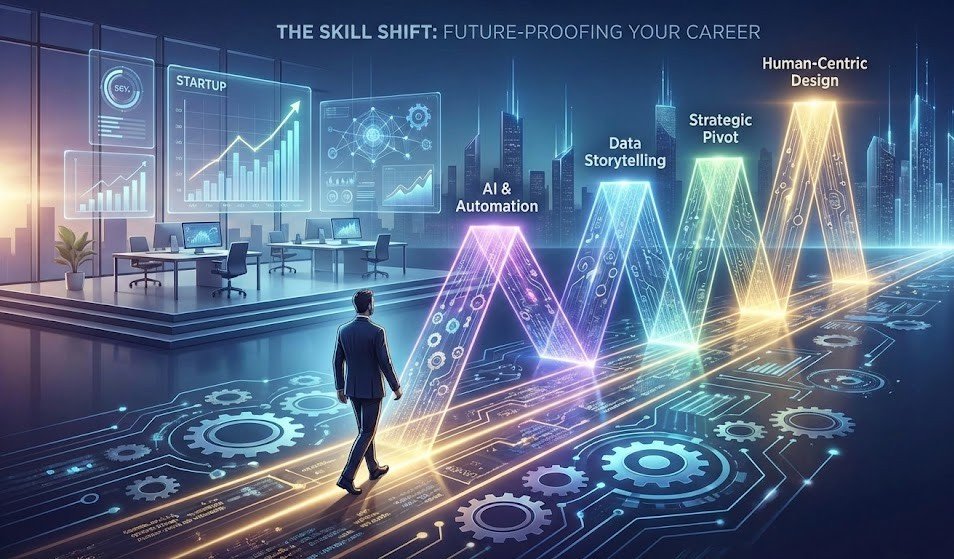
Data Analysts are evolving into Data Storytellers.
The skill isn’t the tool; the skill is the judgment applied to the tool.
Success Stories: The Pivot
Consider the trajectory of successful guest contributors and featured leaders on platforms like LinkedIn. The common thread is the Pivot.
-
The marketing manager who learned SQL to better understand customer cohorts.
-
The graphic designer who learned basic frontend code to communicate better with developers.