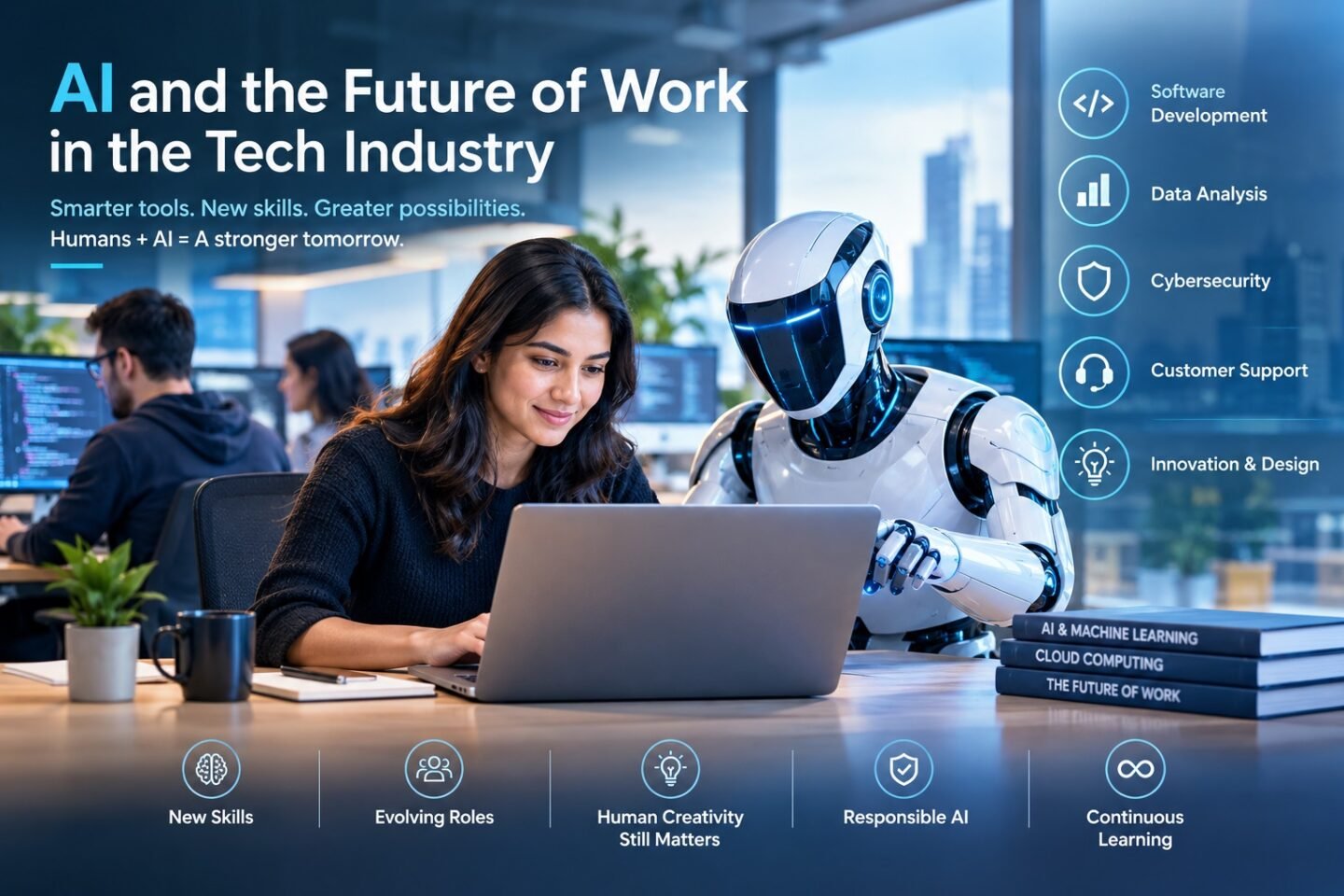

Artificial intelligence is rapidly transforming the technology industry. From software development and cybersecurity to customer support, data analysis, and product design, AI is becoming an important part of how modern businesses operate.
Rather than simply replacing human workers, AI is changing how work is performed, which skills are valuable, and how teams solve problems. As AI technologies continue to evolve, the future of work in the tech industry will increasingly depend on collaboration between people and intelligent systems.
AI Is Changing the Way Tech Companies Work
Technology companies have been among the earliest adopters of artificial intelligence. Developers are using AI-powered tools to generate and review code, identify bugs, write documentation, and automate repetitive programming tasks.
Similarly, data teams can use AI to analyze large datasets and identify patterns much faster than traditional methods. Customer-service teams can use AI assistants to handle routine questions, while cybersecurity professionals can use AI to detect unusual activity and potential threats.
This shift allows employees to spend more time on tasks that require creativity, strategic thinking, communication, and human judgment.
The Rise of AI-Assisted Software Development
One of the most visible changes is taking place in software development.
AI coding assistants can help developers create code, explain unfamiliar programming concepts, troubleshoot errors, and automate repetitive tasks. This can speed up development and help teams experiment with ideas more efficiently.
However, AI-generated code still requires human oversight. Developers need to understand architecture, security, performance, scalability, and business requirements before putting AI-generated solutions into production.
The role of the developer is therefore evolving from simply writing code toward designing systems, reviewing AI-generated output, solving complex problems, and making technical decisions.
New Skills Will Become More Important
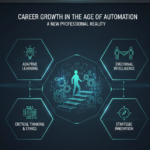
As AI takes over more repetitive tasks, technology professionals may need to develop a broader combination of technical and human skills.
Important skills for the AI-driven workplace include:
- Artificial intelligence and machine learning fundamentals
- Data analysis and interpretation
- Cybersecurity awareness
- Cloud computing
- AI-assisted programming
- Critical thinking and problem-solving
- Communication and collaboration
- Creativity and innovation
- Understanding of AI ethics and responsible AI
Learning how to work effectively with AI may become as important as learning individual software tools.
AI Will Create New Technology Roles
Technological change has historically created new categories of work, and AI is already contributing to the emergence of new roles.
Companies increasingly need professionals who can build, deploy, evaluate, secure, and govern AI systems. Roles related to AI engineering, machine learning, AI security, data governance, model evaluation, and responsible AI are becoming increasingly relevant.
At the same time, existing technology jobs are evolving. A software engineer, product manager, designer, or cybersecurity specialist may increasingly use AI as part of their everyday workflow.
Human Creativity Still Matters
AI can process information and generate content at remarkable speed, but technology businesses still depend heavily on human creativity and judgment.
Understanding customers, identifying meaningful problems, making strategic decisions, building trust, and developing innovative products require more than automation.
The most effective organizations are likely to view AI as a productivity and decision-support tool rather than a complete substitute for human expertise.
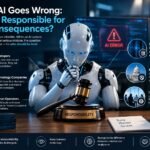
The Importance of Responsible AI
The rapid adoption of AI also creates important challenges.
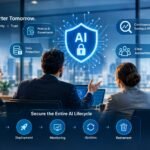
Organizations must consider issues such as data privacy, cybersecurity, intellectual property, bias, transparency, and the reliability of AI-generated information.
Employees also need to understand when AI output should be trusted, reviewed, or rejected. Human oversight becomes particularly important when AI is used in areas involving sensitive information or high-impact decisions.
Responsible AI practices will therefore become an important part of technology management and corporate governance.
Continuous Learning Will Become the New Normal
The technology industry has always required professionals to keep learning, but AI is accelerating the pace of change.
Tools, programming methods, workflows, and job responsibilities can evolve quickly. Professionals who continuously update their skills will be better positioned to adapt to these changes.
For students and early-career professionals, this means building strong fundamentals while learning how AI can complement those skills.
For experienced professionals, it means understanding how AI can improve existing workflows and identifying areas where human expertise remains essential.
What Will the Future of Work Look Like?
The future of work in technology is unlikely to be defined simply by humans versus machines. Instead, it will increasingly involve humans working alongside AI systems.
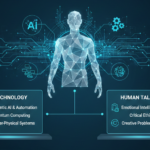
AI can handle repetitive processes, analyze information, generate ideas, and assist with technical tasks. People can provide context, creativity, accountability, strategic thinking, and ethical judgment.
This combination could allow technology teams to become more productive while focusing their attention on higher-value problems.